
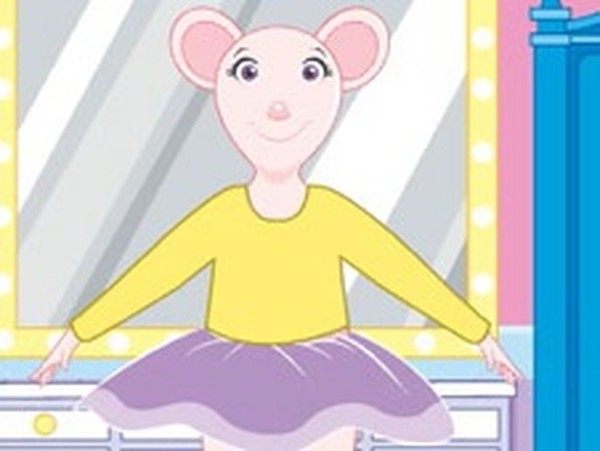
Angelina Ballerina Dress Up
Review
Angelina Ballerina Dress Up works as a light educational toy: Challenge mode builds recall by asking players to rebuild an outfit from memory, while Free Play removes rules for open styling. The three-character roster and click-based wardrobe keep it accessible. Its main limitation is repetition—once the memory task is mastered, there is little progression. Still, for its intended age group, the balance of focus and freedom is appropriate.
Full story
Two Ways to Play
Angelina Ballerina Dress Up offers a choice between structured memory practice and open-ended styling. Challenge mode presents a ballet outfit for a limited time, then asks players to rebuild it piece by piece from the wardrobe. Free Play removes all rules and timers, letting children combine any items they like. The two modes serve different moods: one for focused recall, one for relaxed creativity.
Characters and Wardrobe
Players begin by selecting one of three characters: Angelina, Gracie, or Vici. Each character can be dressed using the same broad categories, including tops, bottoms, leotards, tights, shoes, and accessories. Navigation relies on simple side buttons to switch between categories, and items are chosen with a click. This point-and-click approach keeps the interface accessible for young children who may not be comfortable with complex controls.
Memory Under Pressure
Challenge mode is the game's memory component. After studying the displayed outfit, players move to the wardrobe and must match every piece correctly. Success depends on attention to color, style, and category. Because the outfit disappears once players start selecting, the game encourages deliberate observation rather than trial and error. This mechanic turns a dress-up activity into a light cognitive exercise without adding a visible timer or penalty.
Creative Freedom
Free Play mode has no goals, scores, or time limits. Children can experiment with combinations across all clothing categories, mixing leotards with different tights or adding accessories to change a look. There is no wrong answer, which supports self-expression and repeat play. The absence of pressure makes this mode suitable for younger children or anyone who prefers styling without a memory task.
Compatibility
FAQ
Reader Comments
Sign in to comment
You must be logged in before posting a review or rating.
No comments yet. Be the first to comment!


Editorial Notes