
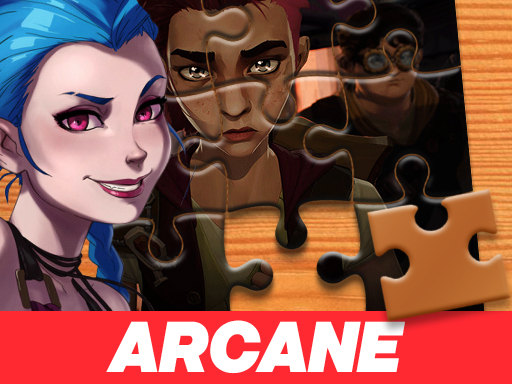
Mystical Jigsaw Puzzle Online
Review
Mystical Jigsaw Puzzle Online delivers exactly what its name suggests: a digital jigsaw with no pressure. The adjustable difficulty and background outline make it approachable for beginners, while higher piece counts offer a longer challenge for experienced puzzle fans. The absence of timers or scores keeps the experience relaxing, though players seeking competition or progression systems will not find them here. The family-friendly images and simple drag-and-drop controls suit a wide audience.
Full story
Rebuilding the Image
Mystical Jigsaw Puzzle Online takes the familiar jigsaw format and moves it to a screen. Each session begins with a single picture that has been split into pieces and scattered across the play area. A faint outline of the finished image stays visible in the background, giving you a constant reference point without solving the puzzle for you. The goal is simple: drag every piece to its correct location until the picture is whole again.
Choosing Your Challenge
Before any pieces appear, you pick a difficulty level. Easy, medium, and hard options change how many pieces make up the puzzle. A lower piece count suits a short break or a first attempt at the drag-and-drop controls. A higher count turns the same image into a longer, more demanding task that rewards patience and pattern recognition. Because the choice comes first, you can match the session to your available time rather than committing to a fixed challenge.
A Calm, Unscored Experience
There are no timers, scores, or countdowns. Pieces snap into place when dropped correctly, and incorrect placements simply stay where you leave them until you move them again. That feedback loop is the only guidance the game gives, which keeps the focus on observation and trial rather than speed. The interface stays out of the way, and the images are chosen to be engaging and suitable for all ages. Each new session scatters the pieces differently, so replaying the same picture still requires fresh placement decisions.
Approaches That Help
Starting with an easier difficulty makes the snapping behavior easier to read before you take on a denser puzzle. Corners and edge pieces tend to be the most identifiable, so placing them first can establish the frame of the image. The background outline is useful for judging where a piece belongs when its shape alone is ambiguous. Stepping away and returning later often makes stubborn sections easier to read. Regular play builds familiarity with the piece shapes and the way they connect.
Compatibility
FAQ
Reader Comments
Sign in to comment
You must be logged in before posting a review or rating.
No comments yet. Be the first to comment!



Editorial Notes