
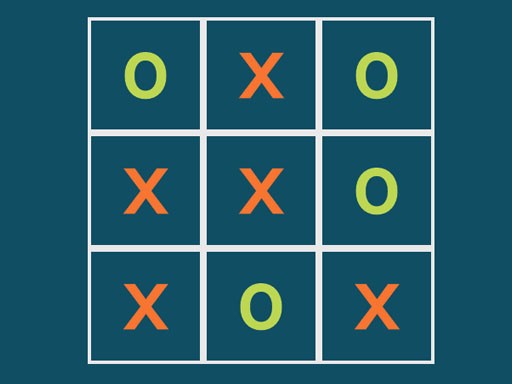
Tic Tac Toe Classic Puzzle
Review
Tic Tac Toe Classic Puzzle does not try to reinvent the grid game. It keeps the 3x3 board, the alternating turns, and the three-in-a-row win condition intact, then adds a score tracker and a choice between a human opponent on the same device or a computer. The result suits short breaks and casual matches. The main limitation is inherent to the format: the rules are so simple that experienced players may find rounds end in draws often. Still, for quick sessions or teaching the game to someone new, it works.
Full story
Two Ways to Play the Grid
Tic Tac Toe Classic Puzzle offers two distinct modes. In local multiplayer, two people share the same device and alternate turns placing X or O on a 3x3 board. In single-player mode, you face a computer opponent that provides solo practice. Both modes use the same clean interface, so switching between them requires no relearning.
How a Round Unfolds
Each match begins with an empty grid. Players take turns tapping or clicking an empty square to claim it with their symbol. The game checks for a winner after every move: three matching symbols in a horizontal, vertical, or diagonal line ends the round. If all nine squares fill without a winner, the round is a draw. Scores update automatically after each round, so the running tally of wins and losses stays visible at the top of the screen.
Design That Stays Out of the Way
The interface keeps visual clutter to a minimum. A score tracker sits above the board, and the grid itself is the only interactive element. Controls are simple tap or click actions, and the layout responds to different screen sizes. Nothing is hidden behind menus or settings screens, which makes the game easy to pick up for a quick break or a short match.
Simple Rules, Real Decisions
Because the rules fit on a single screen, the challenge comes from reading your opponent. The center square opens the most winning lines, so controlling it early matters. Blocking an opponent's two-in-a-row prevents an immediate loss. Building two threats at once forces a win because the opponent can only block one. Practicing against the computer lets you test these patterns before sitting across from a friend.
Compatibility
FAQ
Reader Comments
Sign in to comment
You must be logged in before posting a review or rating.
No comments yet. Be the first to comment!



Editorial Notes