
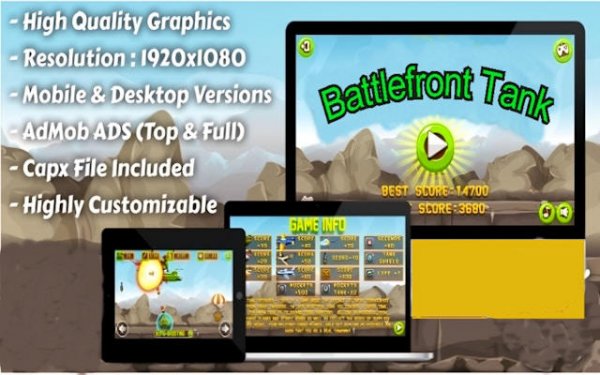
Frontline Shield Tactics
Developer: Quest Core Games
Published: 2026-10-01
Updated: 2026-10-01
Review
Frontline Shield Tactics keeps its scope tight: guard an area, shoot down aircraft, and last as long as you can. The dual control scheme works across desktop and mobile, and the gradual difficulty curve makes early rounds approachable while later waves demand sharper positioning. Supply crates introduce a genuine risk-reward decision, since chasing them can leave you exposed. The lack of lives or continues suits the endurance scoring model, though players who prefer structured progression may find the session-reset format limiting.
Full story
Defend the Zone, Survive the Wave
In Frontline Shield Tactics, you operate a vehicle with one job: stop hostile aircraft before they damage a designated area. Each session throws a new wave of enemies at you, and your endurance directly sets your final score. The game favors quick reflexes and smart positioning over complicated systems, so it is easy to start but still offers depth when enemy patterns tighten up. There are no lives or continues; once your vehicle is destroyed, the run ends.Controls Across Devices
The game supports keyboard and touch input. On desktop, arrow keys or A and D move your vehicle left and right, while the mouse handles aiming and firing. On phones and tablets, you drag your vehicle into position and tap to shoot. The interface stays minimal so nothing blocks your view during busy moments. This dual scheme keeps the experience consistent whether you play on a computer or on the go.Enemy Patterns and Rising Pressure
Hostile aircraft arrive in patterns that grow more complex as a run continues. Early rounds feature slower, predictable movement, giving you time to learn the basics. Later stages introduce faster enemies, tighter formations, and occasional surprise attacks that demand quick adjustments. Staying in one spot for too long often leads to being overwhelmed, so reading these patterns and repositioning is a core skill. The gradual difficulty curve keeps the game engaging without becoming frustrating too quickly.Supply Crates and Risk-Reward Choices
Friendly cargo planes periodically cross the battlefield and drop supply crates. These crates can repair damage, enhance firepower, or provide other tactical advantages, making them vital for a strong defense. The catch is that chasing a crate may expose you to enemy fire. Deciding when to break formation to grab supplies is a key strategic layer that adds depth beyond simple shooting.Scoring and Endurance Model
Frontline Shield Tactics runs on an endurance model: survive as long as possible. Every enemy you eliminate adds to your score, with bonuses for consecutive takedowns or for collecting supply crates. The score resets each session, encouraging you to beat your personal best. This structure promotes a 'one more try' mentality, since each attempt offers a chance to improve positioning and timing.Visual and Audio Feedback
The battlefield is shown from a top-down perspective with clear visual cues for enemy positions and incoming threats. Color coding helps distinguish different aircraft types and supply crates. Distinct audio signals announce enemy approach, crate drops, and vehicle damage, letting you react even without looking directly at the screen. This combination of visual clarity and audio feedback supports the fast decision-making required in later stages.Compatibility
✅ This game supports:
- Desktop browsers (Chrome, Edge, Safari)
- Mobile browsers (Chrome on Android, Safari on iOS)
❌ Does NOT support: - Internet Explorer - Very old browser versions
👉 Try refreshing or updating your browser
FAQ
What is the main objective in Frontline Shield Tactics?
Your goal is to protect a designated area from hostile aircraft. You pilot a vehicle, intercept and neutralize threats before they cause damage, and survive as long as possible. Each session presents a fresh wave of enemies, and your endurance determines your final score.
Can I play Frontline Shield Tactics on both computer and mobile devices?
Yes. The game supports keyboard and touch input. On a computer, you use arrow keys or A and D to move and the mouse to aim and fire. On phones and tablets, you drag your vehicle into position and tap to shoot. The interface stays minimal on both.
How do supply crates work in Frontline Shield Tactics?
Friendly cargo planes periodically fly across the battlefield and drop supply crates. These crates can repair damage, enhance firepower, or provide other tactical advantages. Collecting them is vital for a strong defense, but going after a crate may expose you to enemy fire, creating a risk-reward decision.
Does Frontline Shield Tactics have lives or continues?
No. The game uses an endurance model with no lives or continues. Once your vehicle is destroyed, the round ends. Your score resets each session, which encourages you to try again and improve your positioning and timing.
How does the difficulty increase in Frontline Shield Tactics?
Enemy aircraft appear in patterns that become more complex as the game progresses. Early rounds feature slower, predictable movements. Later stages bring faster enemies, tighter formations, and occasional surprise attacks. This gradual increase keeps the gameplay engaging without becoming frustrating too quickly.
What kind of game is Frontline Shield Tactics?
It is a top-down endurance shooter with tactical and strategy elements. You control a vehicle, aim and fire at incoming aircraft, and manage positioning while deciding when to grab supply crates. The focus is on quick reflexes and smart movement rather than complex mechanics.
Reader Comments
Sign in to comment
You must be logged in before posting a review or rating.
No comments yet. Be the first to comment!





Editorial Notes