
Pixel Shield: City Defense
Review
Pixel Shield: City Defense keeps its scope tight: tap to intercept projectiles, protect the city, survive escalating waves. The pixel art supports readability rather than nostalgia alone, and the difficulty curve avoids punishing spikes. It suits players who enjoy reflex-driven arcade defense and score chasing. The main limitation is that the input describes a single core mechanic, so anyone seeking deep strategy or varied modes may find it narrow.
Full story
Interception as a Core Skill
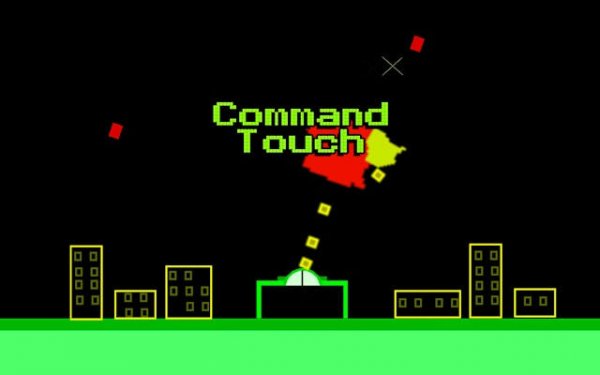
Pixel Shield: City Defense asks one thing of you: stop projectiles from reaching the city below. Threats arrive from above, and your only tool is a precise tap. Every projectile travels along a distinct path, so reading its trajectory and timing your countermeasure launch is the entire skill set. Later waves speed up and vary the patterns, turning a simple tap into a test of anticipation. The game pairs quick reflexes with the kind of strategic foresight you would expect from a defense title, without adding unnecessary controls.
Pixel Art That Serves the Action
The pixel art aesthetic borrows from early arcade classics, but it is not just a nostalgic choice. Distinct shapes and colors separate the city skyline from incoming projectiles, which matters when several objects are moving at once. Minimalist rendering keeps visual clutter low, so your eyes stay on the defensive task. That same restraint helps the game run smoothly on a range of mobile devices, making the retro look a practical decision as much as a stylistic one.
Waves, Difficulty, and the Learning Curve
Progression happens through waves. Early rounds function as a tutorial, giving you room to adjust to the timing and controls. As you hold the line, projectiles come faster and follow more erratic paths, demanding quicker decisions. The ramp avoids sudden spikes, so a failed wave reads as a lesson rather than an unfair loss. That balance encourages repeated attempts, and each run becomes a chance to refine your technique rather than simply survive longer.
Short Sessions and Score Chasing
A session can last a few minutes or stretch longer depending on how well you perform. That flexibility suits quick breaks and focused practice equally. The main reason to return is the score: each wave adds pressure, and a well-timed interception provides the kind of feedback that keeps a run going. The design is clean and straightforward, respecting your time while still offering a genuine challenge for players who enjoy arcade defense.
Compatibility
FAQ
Reader Comments
Sign in to comment
You must be logged in before posting a review or rating.
No comments yet. Be the first to comment!





Editorial Notes