
Reviews
Waste Sorting: Eco Puzzle turns a simple sorting task into an engaging mental workout. The pressure of closing walls forces quick thinking, but accuracy remains the key to high scores. The visual design is clear and family-friendly, making it easy for anyone to pick up. The educational aspect is a bonus, teaching proper recycling habits through repeated practice. It is a perfect choice for short, productive breaks.
About this game
Core Sorting Mechanics
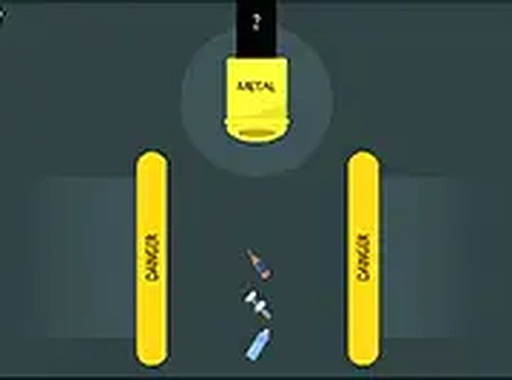
Players see a stream of household waste items appear on screen. Each piece belongs to one of three categories: paper, plastic, or metal. The goal is to drag each item into the matching bin before time runs out. A correct placement adds to the score, while a mistake costs precious seconds. The game gradually increases the speed of incoming items, forcing players to recognize materials faster. This core loop is simple to understand but difficult to master, making it suitable for quick sessions or longer practice.
Pressure System & Timing
A unique element in this puzzle is the closing wall mechanic. As the round progresses, steel barriers slowly move inward from the edges of the play area. If they meet in the center, the round ends. This creates a natural time limit that grows tighter with each correct sort. Players must balance speed with accuracy because a wrong sort does not advance the wall but wastes time. The wall moves faster in later rounds, adding a layer of tension that keeps the gameplay fresh. This system rewards calm decision-making under pressure.
Visual Design & Accessibility
The game uses clear, colorful icons for each waste type, making it easy to distinguish paper from plastic at a glance. The interface is minimal, with the sorting bins clearly labeled and positioned at the bottom of the screen. Full screen mode is available to reduce distractions. The game runs directly in a web browser on both mobile and desktop devices, with no downloads required. Touch controls on mobile devices work smoothly, allowing players to drag items with a finger or mouse.
Educational Value & Real-World Application
Beyond entertainment, this puzzle teaches practical recycling knowledge. Players learn to identify common recyclable materials by their appearance and typical packaging. For example, a cardboard box belongs with paper, while a soda can goes to metal. The game simulates real sorting processes used in recycling facilities. This makes it a useful tool for families or classrooms looking to build environmental awareness. The lessons stick because players practice them repeatedly under engaging conditions.
Progression & Replayability
The game does not have traditional levels but instead uses a continuous scoring system. Each session challenges players to beat their previous high score. As players improve, they unlock faster item speeds and tighter wall timers. This creates a natural progression curve that encourages repeated play. There is no end point, so the challenge grows with the player's skill. This design suits short breaks or longer sessions, as each round lasts only a few minutes.





Comments
Sign in to leave a review
No account? Create one
No comments yet.