
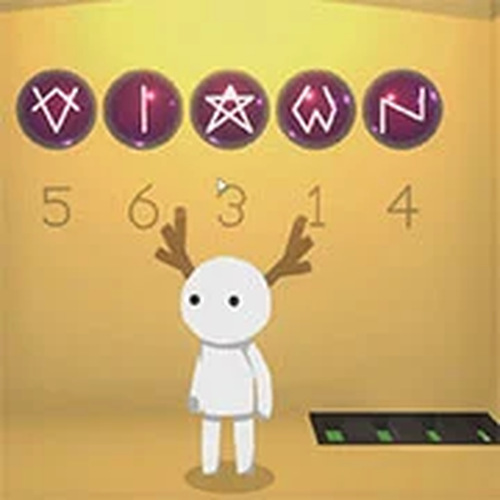
Link Worlds Puzzle Quest
Review
Link Worlds Puzzle Quest succeeds by trusting its players to think. The four-screen design creates a satisfying web of cause and effect, and the minimalist art style perfectly supports the themes of solitude and connection. Puzzles feel earned, never arbitrary, and the lack of pressure allows for genuine reflection. It’s a short but memorable experience that respects your time and intelligence.
Full story
Core Puzzle Logic
At its heart, this game asks players to observe carefully and think laterally. Each of the four screens presents a self-contained set of objects and characters. The key challenge lies in recognizing how an action on one screen influences the state of another. For example, moving a lever might open a pathway elsewhere, or placing an item in a specific spot could cause a character to react. There are no random elements or time limits, so every solution emerges from deliberate experimentation and logical deduction.
Atmosphere and Visual Design
The game’s visual style evokes a sense of gentle melancholy. Clean, minimalist backgrounds are populated with softly animated elements that feel both lonely and inviting. Color palettes shift subtly between screens, reinforcing the emotional tone of each scene. The sound design complements this with ambient tones and occasional melodic cues that highlight moments of discovery. Together, these elements create an immersive space where the story’s themes of isolation and connection resonate naturally.
Narrative Through Interaction
Instead of using dialogue or text-heavy exposition, the story unfolds through the player’s actions. Each solved puzzle brings characters closer together or reveals a memory. The narrative arc is simple but poignant: a series of beings who are initially separated gradually find ways to interact. This approach rewards patience and curiosity, as the most meaningful story beats are earned through persistent exploration rather than handed to the player.
Pacing and Player Freedom
There is no rush. Players can revisit any screen at any time, and the game encourages taking breaks to reflect on the connections being formed. The absence of failure states or penalties means that every attempt, even if it doesn’t immediately solve a puzzle, contributes to understanding the world’s logic. This relaxed pacing makes the experience suitable for players who enjoy thoughtful, unhurried problem-solving.
Educational Value
While primarily a narrative experience, the game naturally exercises several cognitive skills. Players must track cause and effect across multiple screens, practice spatial reasoning, and develop systematic approaches to testing hypotheses. These skills align with educational goals in logic and critical thinking, making the game a useful tool for both casual learning and structured classroom settings.





Reader Comments
Sign in to comment
You must be logged in before posting a review or rating.
No account? Create one
No comments yet. Be the first to comment!