
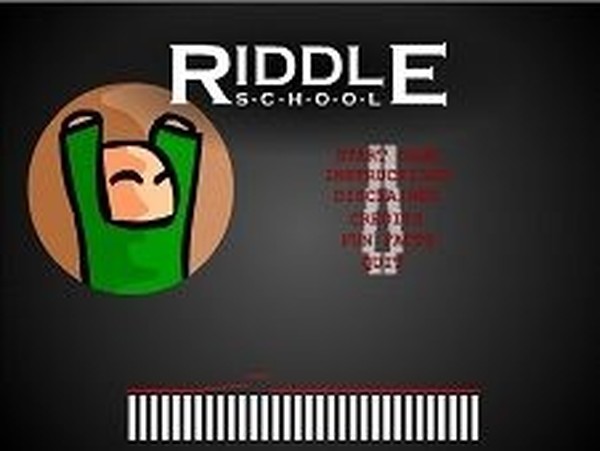
School Break Brain Teasers
Review
School Break Brain Teasers offers a refreshing take on the escape genre with its school setting and witty character dialogues. The puzzles are well-designed, requiring logical thinking rather than random clicking. The inventory system encourages experimentation, and the gradual difficulty curve keeps players engaged without frustration. The cartoon visuals and lighthearted tone make it suitable for all ages. While the game is relatively short, its quality and charm make it a worthwhile experience for puzzle enthusiasts.
Full story
Core Puzzle Mechanics
Players interact with the environment by clicking on objects and characters. Each item discovered may serve a purpose later, requiring players to remember where things are and how they might combine. The puzzles rely on logical connections rather than random guessing, encouraging thoughtful exploration. For example, a simple object like a paperclip might be used to unlock a drawer or distract a character.
School Environment & Exploration
The school is divided into several distinct areas, including classrooms, hallways, a library, and outdoor spaces. Each location contains unique clues and items. Moving between rooms is straightforward, but the challenge lies in noticing small details that hint at solutions. Some areas may only become accessible after solving a puzzle elsewhere, creating a satisfying sense of progression.
Character Interactions
Teachers and classmates populate the school, each with their own personality and dialogue. Talking to them provides hints, background story, and sometimes items. The conversations are lighthearted and add charm to the experience. Players must pay attention to what each character says, as even offhand comments can contain useful information for solving a puzzle.
Inventory & Item Usage
Collected items are stored in an inventory panel. Using an item often requires selecting it from the inventory and clicking on a target in the game world. Some items have obvious uses, while others require creative thinking. For instance, a magnifying glass might help read a tiny note, or a piece of chalk could be used to mark a path. The inventory system is simple but encourages experimentation.
Pacing & Difficulty
The game is designed for relaxed play, with no timers or penalties for wrong actions. Players can take as long as they need to examine each room and try different item combinations. The difficulty ramps up gradually, with early puzzles serving as tutorials for later, more complex challenges. This makes the game accessible to newcomers while still offering satisfying brain teasers for experienced puzzle fans.



Reader Comments
Sign in to comment
You must be logged in before posting a review or rating.
No account? Create one
No comments yet. Be the first to comment!