
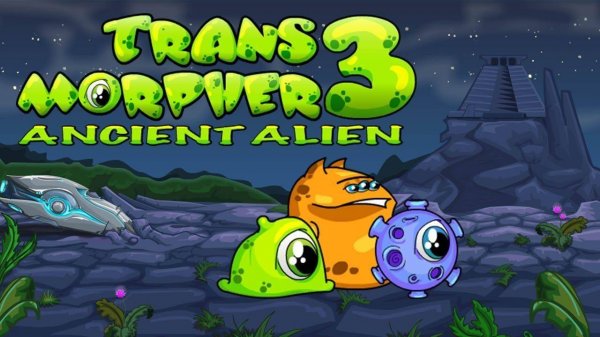
Transmorpher 3 Shape Shift Puzzle
Review
Transmorpher 3 Shape Shift Puzzle stands out for making shape-shifting the center of its puzzle design rather than a cosmetic gimmick. Each alien form changes how you interact with the environment, so progress depends on matching abilities to obstacles. The gentle difficulty curve and lack of timers or combat make it welcoming for younger players, while later stages offer enough spatial reasoning to engage adults. The main limitation is that the available information does not detail level count, story, or form variety, so players seeking a narrative or extensive progression systems should temper expectations.
Full story
Alien Forms as Puzzle Tools
In Transmorpher 3, the shape-shifting alien is not just a character skin—it is the puzzle mechanic. Each form you switch into changes how you interact with the level. One form might let you cling to surfaces, another might give you the weight or leverage to push heavy objects. The game never asks you to fight; it asks you to match the right form to the right obstacle. Because abilities are tied to forms, solving a level often means cycling through options until the environment responds. That loop of switch, test, adjust is the core of the experience.
Level Design That Teaches Without Text
Stages begin with simple arrangements that introduce one ability at a time. You might need to stick to a wall to reach a ledge, or push a block to create a step. Later levels combine mechanics: a path might require sticking to a moving surface, then switching to a heavier form to shove an object into place. The layouts are colorful and calm, but the challenge comes from sequencing. A single level can have multiple valid approaches, and the game encourages you to experiment rather than follow a single prescribed solution.
Controls and Moment-to-Moment Play
Transmorpher 3 supports keyboard and touch controls. Movement is direct: you guide the alien through the level, select a form, and use that form's ability in context. Sticking, pushing, and moving objects are the primary verbs. Precision matters—pushing an object too far can block a path, and sticking to the wrong surface can leave you stranded. The game does not rush you. There are no timers or enemies forcing quick decisions, so you can observe, plan, and retry without penalty. That pace makes it approachable for younger players while still offering enough logic to satisfy adults.
Progression and Who It Suits
Difficulty rises gradually. Early levels function as tutorials without explicit instructions, while later stages demand that you combine forms and actions in a specific order. If you get stuck, revisiting earlier levels to refine your understanding of a form's behavior is a practical strategy. The family-friendly presentation—bright colors, calm atmosphere, no violence—makes it suitable for players of all ages who want a mental challenge rather than a reflex test. The game is best suited to puzzle fans who enjoy spatial reasoning and are comfortable with trial and error.
Compatibility
FAQ
Reader Comments
Sign in to comment
You must be logged in before posting a review or rating.
No comments yet. Be the first to comment!



Editorial Notes