
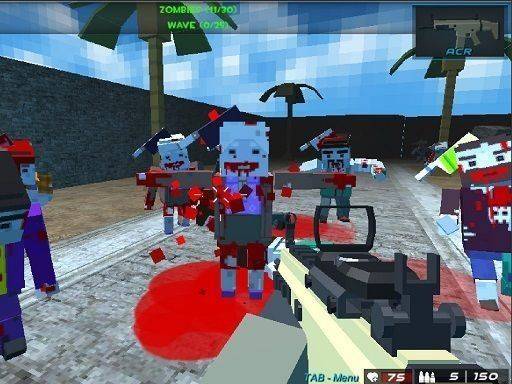
Cooperative Sandstorm Pixel Guardians
Review
Cooperative Sandstorm Pixel Guardians succeeds by making coordination essential rather than optional. The sandstorm mechanic constantly changes visibility and enemy behavior, so teams must communicate and adjust roles. The campaign provides a clear progression path, while multiplayer adds replayability through randomized effects. The pixel-art style keeps characters readable during chaotic moments. It suits players who enjoy tactical teamwork in a family-friendly setting, though those seeking solo or competitive experiences may find the focus on cooperation limiting.
Full story
Shared Objectives and Team Roles
Cooperative Sandstorm Pixel Guardians is built around shared goals rather than individual scores. Each player controls a character with distinct traits, and the team must decide who gathers scattered resources, who prepares defensive positions, and who supports teammates with special items. The sandstorm theme directly affects play: it periodically reduces visibility and changes how enemies move, so teams need to communicate and adjust their plans in real time. This structure rewards coordination over competition, making every session a test of teamwork.
Campaign Progression and Environmental Shifts
The campaign mode offers a structured path through encounters that introduce new environmental conditions and enemy compositions. Early stages ease players into the basic controls and the importance of positioning. As the campaign continues, sandstorms intensify and enemy waves become more varied, demanding smarter strategies. Players can revisit previous levels to improve performance or try different character combinations. Completing stages unlocks new tools or cosmetic options, and the difficulty curve stays challenging without becoming punishing.
Multiplayer Dynamics and Replayability
Multiplayer shifts the focus to group achievement. Players form temporary teams to tackle challenges balanced for multiple participants. Objectives often require quick decisions and clear role assignment. Because sandstorm effects are randomized, no two sessions feel identical, which keeps the experience fresh and encourages flexible strategies. A simple communication system lets players signal intentions without voice chat. Local cooperative play on the same device is also supported for those who prefer a more relaxed pace.
Visual Clarity and Family-Friendly Tone
The pixel-art style gives the game a nostalgic look, but it also serves gameplay: characters and enemies remain distinct even during chaotic moments. Sandstorm effects use shifting color palettes and particle systems that create urgency without becoming distracting. The overall tone is light and family-friendly, with no graphic content. The interface is clean and intuitive, and sound design provides audio cues for incoming threats or available power-ups through subtle wind sounds and alert tones.
Character Variety and Equipment
Players choose from a roster of characters, each with a unique appearance and abilities that shape their contribution. Some excel at rapid movement and item collection, while others are better at holding positions or providing area support. The equipment system includes tools found during gameplay, such as temporary shields, speed boosts, or area-denial devices. These are defensive or supportive rather than violent. The variety in abilities and equipment encourages experimentation to find what works best for a given team composition.
Compatibility
FAQ
Reader Comments
Sign in to comment
You must be logged in before posting a review or rating.
No comments yet. Be the first to comment!



Editorial Notes